Welcome to “Breaking the Rules” — a role-play scenario about a late-night arrest in which a routine identity check gradually turns into a dangerous game of power and temptation. Tonight, he was in the wrong place at the wrong time. At least, that is what the police officer who stopped him in the middle of the night believes. She is accustomed to having her orders followed without question. He, however, has no intention of making her job easy. He acts far too confident, lets his gaze linger on her longer than he should, and seems determined to discover exactly how far he can push her.
Setting:
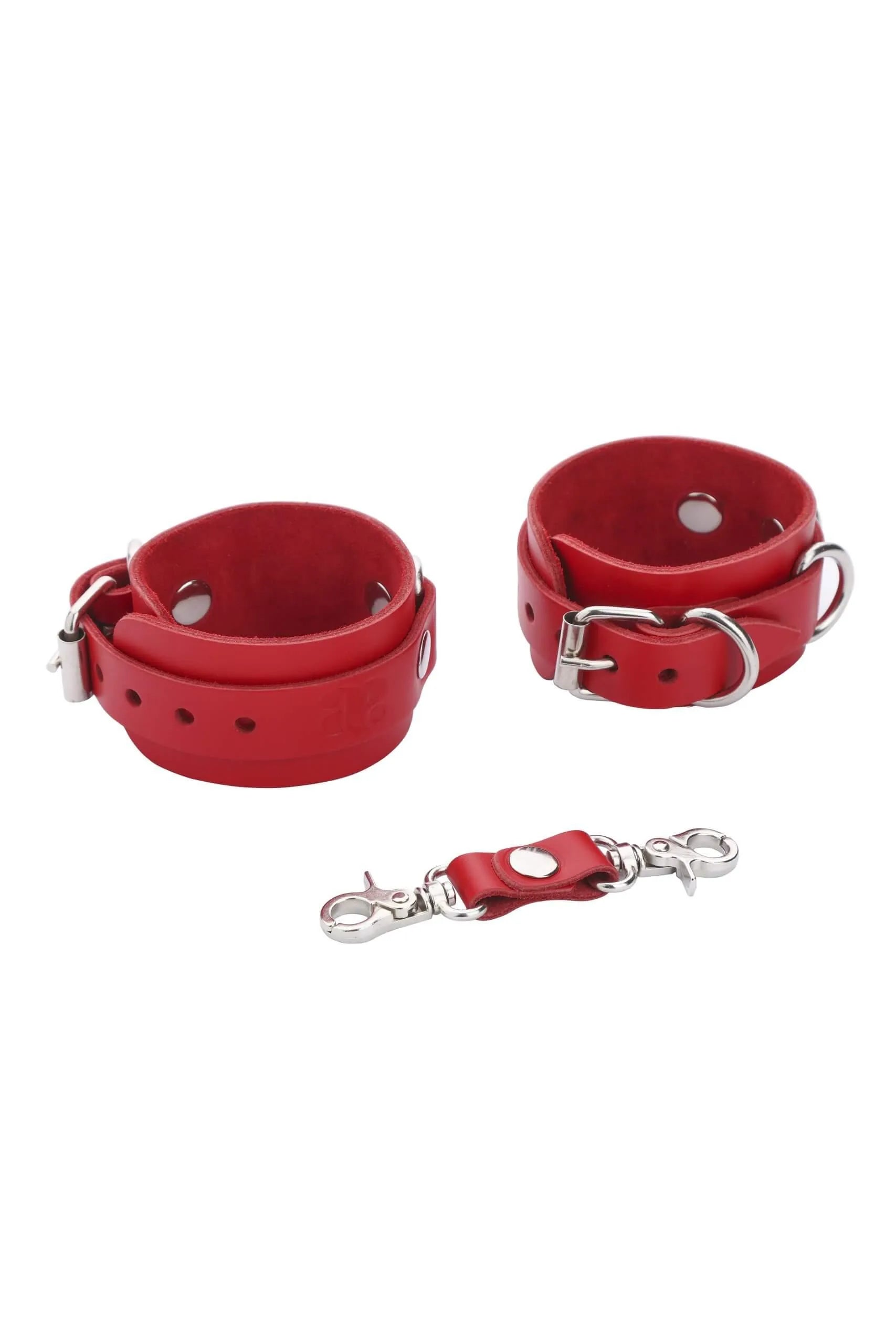
The game can take place in an apartment or hotel room. The hallway or entrance area can become the scene of the arrest, while a room with a desk, chair, and dim lighting can serve as the police station. To create the right atmosphere, prepare a folder containing the “case file,” an ID card or badge, a set of keys, a flashlight, and handcuffs. At the center of the game is the Police Officer look by bæd stories: a cap, gloves, stockings, a bra, and a zip-front skirt whose details can be gradually unfastened as the story unfolds.
Characters:
The Police Officer: A confident, composed, and observant woman. She notices dishonesty instantly, has little patience for disobedience, and takes particular pleasure in watching even the most self-assured offender begin to follow her commands.
The Offender: A charismatic and provocative man who has been detained for a late-night violation. He behaves as though he has no fear of the consequences, but in reality, the police officer’s appearance excites him far more than the punishment he might receive.

Scene 1: The Late-Night Arrest
The offender enters the room without realizing that the police officer is already waiting for him by the door. She blocks his way, shines the flashlight toward his face, and orders him to stop in a cool, authoritative tone.
The opening minutes of the game take place without physical contact. The police officer slowly examines the man and begins her questioning. She can ask his name, where he has spent the evening, why he is out so late, and why he failed to stop immediately when instructed.
The offender should answer calmly, but not too obediently. He can avoid giving direct explanations, joke about the situation, deliberately delay his answers, or make it clear that he is far more interested in the police officer herself than in the accusations against him.
His objective is to test her composure without crossing any of the boundaries agreed upon before the game.
The police officer gradually closes the distance between them and makes it clear that his careless behavior is only increasing her suspicions. She orders him to face the wall, spread his legs, and keep his hands where she can see them.
Each time he attempts to look back, make another joke, or ignore one of her instructions, she can introduce an additional rule: he must remain still, avoid touching her, keep his eyes facing forward, or speak only after receiving permission.


Scene 2: The Personal Search
After putting on her long black gloves, the police officer begins a slow personal search. She runs her hands over his shoulders, back, waist, and legs, checking his pockets and confiscating anything that could become “evidence”: his phone, keys, wallet, or a note prepared in advance.
Every touch appears professional at first. However, she can deliberately allow her hands to linger slightly longer than necessary, only to step away whenever the man attempts to turn around, touch her, or close the distance between them.
The police officer reminds him that he is not permitted to move during the search. The offender can continue provoking her by suggesting that the inspection is taking suspiciously long and that his arrest may have very little to do with the rules he supposedly broke.
During the search, the police officer discovers a piece of “evidence” in his pocket. It could be a provocative note, a photograph, a hotel-room key, or another object prepared by the couple beforehand.
She shows the discovery to the offender and demands an explanation. He can deny that it belongs to him, invent a contradictory story, or refuse to answer, giving the police officer another reason to tighten her control.
She warns him that providing false information will only make his situation worse, then fastens one cuff around his wrist. The second cuff remains open, allowing the offender to decide whether he will offer his other hand willingly.
Scene 3: An Interrogation of Desire
The police officer leads the offender into the room and seats him in a chair. His hands can remain restrained either in front of him or behind his back, depending on the couple’s agreed rules and the position that feels most comfortable.
She places the folder containing his “case file” in front of him but does not open it immediately. Instead, she slowly circles the chair, allowing him to take in her uniform, stockings, and zippers while making it clear that touching is still forbidden.
During the interrogation, the police officer can ask whether he deliberately forced her to pursue him, why he never objected to such a thorough search, and what he had truly hoped would happen when she stopped him.
The man decides how to respond. He can continue denying everything, answer with suggestive hints, or gradually admit that his behavior was intended to attract her attention from the beginning.
For every evasive answer, the police officer can assign a small punishment. She may order the offender to kneel, hold his restrained hands above his head, maintain eye contact, remain silent for a set amount of time, or accept a few previously agreed strikes to his buttocks with her hand.
Honesty earns a reward. The police officer can allow him to move closer, press his lips against her glove, touch the edge of her skirt, or unfasten one detail of her uniform — but only in the way and in the place she chooses.


Scene 4: The Sentence
After a brief pause, the police officer opens the case file and informs the offender that there is enough evidence to deliver her verdict.
She offers him two possible ways to continue the game. In the first, he remains in handcuffs and submits completely to her decisions. In the second, he is given the opportunity to earn his freedom gradually by following every one of her instructions without question.
The offender chooses the option that best reflects the couple’s shared desires.
The police officer establishes the rules of his trial. He may not touch her without permission, he must not rush, and he must stop immediately whenever she uses the agreed word or signal. Each correctly followed instruction earns him a reward: she may remove one part of her uniform, permit a new kind of touch, or gradually loosen his restraints.
First, she may allow him to remove her cap. Next, he can unfasten the clasps at her waist or lower the zipper of her skirt. His following task might be to place slow kisses along the edge of her stockings without using his hands.
Throughout the scene, the police officer controls the pace. She may stop him at the moment when the tension becomes most intense, step away, and return to the interrogation. Before the game can continue, the offender must fully admit his guilt and accept the punishment she has chosen.
Only then does the police officer release one of his hands and permit him to touch her — initially only where she directs him. As a reward for his obedience, she gradually opens the zippers of her costume while keeping part of the uniform on throughout the final scene.
The characters can move to the desk, chair, or bed while continuing their game of punishment and reward. The police officer can restrain his hands again, change his position, or briefly allow him to take the initiative.
The end of the role-playing game, but the beginning of new possibilities and deeper understanding of each other in a world of passion and discoveries.
Make your wildest dreams come true with bæd stories!